How much is a set of hand-held hydraulic rock splitters?
Hydraulic rock splitter costs vary significantly depending on technical specifications, optional features, and regional factors. If your focus is solely on the sticker price, you may overlook hidden costs like maintenance, transport, and lifecycle value. Making an informed investment in mining or construction projects requires assessing long-term performance, cost per use, and compliance with standards.
A set of Hydraulic rock splitters typically range from $4300 to $4800 depending on their specifications, splitting capacity, and optional features. Buyers should also budget for transport, installation, and maintenance costs, as these impact the total investment. Long-term value often depends on durability and compliance with ISO 9001 and CE certifications.
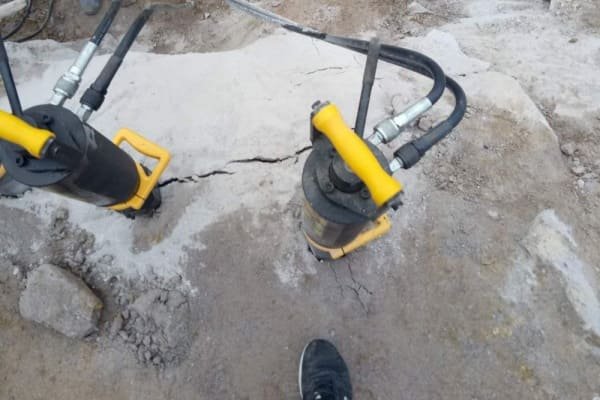
Hydraulic splitters are integral for rock-clearing and excavation projects, especially in mining and construction. Keep reading to explore how different factors influence pricing and why lifecycle costs matter when planning long-term equipment budgets.
What affects the price of hydraulic rock splitters?
Hydraulic rock splitters' sticker prices vary based on specifications, durability, and optional features, which buyers often underestimate.
The key cost drivers include:
1. Power output and splitting capacity: Larger projects, like mining, need high-capacity splitters. These models cost more as they feature enhanced force generation.
2. Optional functionalities: Handheld units are generally cheaper, while integrated drilling-splitting machines and liquid CO₂-rock breaking systems can raise costs considerably.
3. Materials and certifications: Durable materials and compliance with ISO 9001 or CE standards improve product reliability but also increase pricing.
4. Transport and installation: Regional logistics and installation complexity can add 10–30% to the total cost. Shipping to Southeast Asia or Africa, for instance, involves significant transport fees.
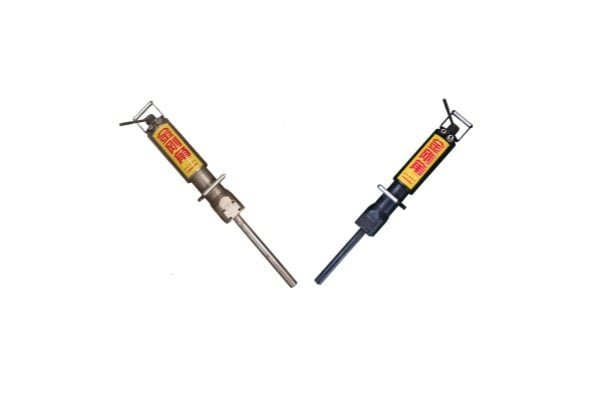
In my experience, ignoring these customization options often results in mismatched equipment selections that lead to costly adjustments later. A clear breakdown before purchasing avoids budgeting surprises.
What's included in professional pricing assessments?
Professional pricing assessments should consider more than sticker price—long-term performance and lifecycle costs matter.
1. Cost breakdown by phase: Look beyond initial purchase, factoring installation, warranties, and spare parts into your overview.
2. Compliance verification: Choose suppliers certified to ISO 9001 and with CE-labeled products to ensure consistent operational standards.
3. Application-specific advice: While upfront costs draw attention, a review of cost per job over time provides valuable insight. Operations over multiple years prove whether your investment will hold up effectively.
Lifecycle cost analyses often identify performance gaps that unseen cheaper models fail to address. As someone who reviews inquiries weekly, I’ve seen purchasing managers repeatedly regret skipping this step.
Why does lifecycle cost matter more than upfront prices?
Lifecycle costs emphasize long-term performance, avoiding missteps common among short-sighted buyers fixated on pricing. Here’s why:
- Durability reduces long-term repair expenses. ISO 9001-compliant splitters have greater material stability over five-plus years.
- Downtime costs in active projects. Reliable operational continuity minimizes stoppages that could cost thousands.
- Power efficiency for regular use: Better performance reduces costs per cubic meter split over large quarrying operations.
Choosing cheaper options (e.g., non-certified suppliers) risks creating unseen logistical chaos down the line. In my customer support role, I find long-term-focused inquiries always make stronger project performance gains.
Frequently Asked Questions
Are handheld splitters cheaper than piston rock splitter machines?
Yes, typically handheld models start at approximately $4,000 and are cost-effective for smaller rock-breaking jobs. Large-capacity piston splitters can range from $4900 to -$ 5500 depending on their technical features and intended applications.
Should transport and installation be considered separately?
Absolutely. Transport and installation costs depend on your location and complexity. For Southeast Asia and Africa, logistics alone can add up to 30% to the final cost. These costs aren't always included in supplier quotes.
How do certifications impact price?
ISO 9001 and CE certifications ensure reliability and compliance but often raise costs due to stringent production standards. However, they significantly reduce risks like warranty claims or downtime, enhancing lifecycle value overall.
Conclusion
Hydraulic rock splitters can cost between $4,300 and $55,00, influenced by specifications, certifications, and optional features. When choosing the right model, focus on total lifecycle value and cost per use, not just the upfront price. Prioritize efficiency, durability, and compliance with ISO 9001 and CE standards. For tailored quotes and high-performance solutions, contact Meiger Machinery today. We'd be happy to guide your procurement process!