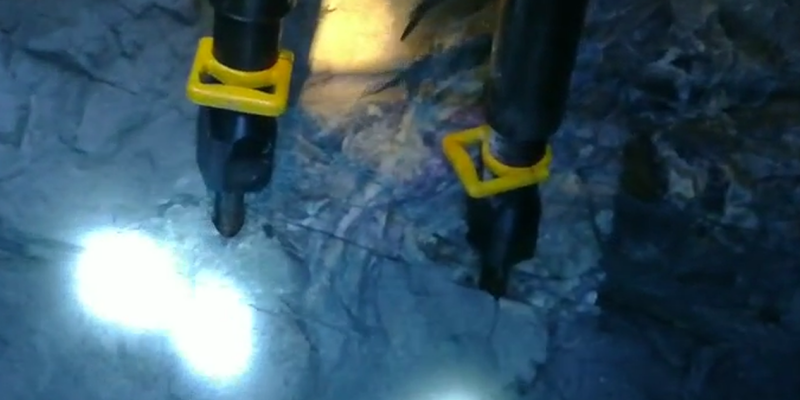
What is the using cost of handheld hydraulic rock splitter machines?
Understanding the using cost of a splitter machine is critical for making informed procurement and operational decisions in mining and construction projects. While the upfront investment may dominate initial planning, operational expenses—diesel, electricity, hydraulic oil, and maintenance—play an equally important role in achieving cost efficiency.
The total cost of using a splitter machine includes the upfront investment for the equipment and recurring operational expenses, such as diesel or electricity consumption, hydraulic oil, and routine maintenance of wear-prone parts. For typical sets capable of excavating 200–400 cubic meters daily, daily operating costs remain relatively low compared to the efficiency they provide.
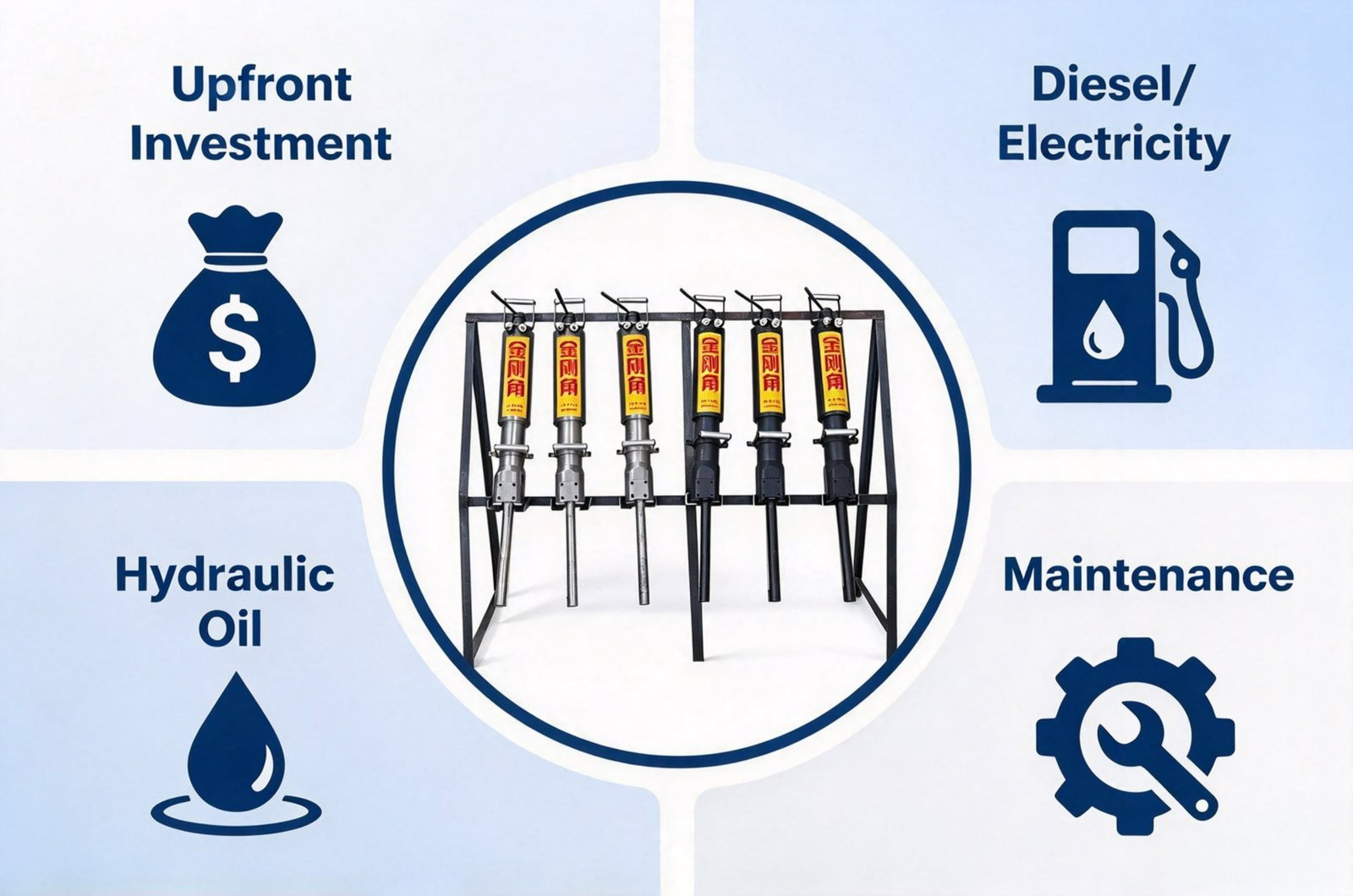
Balancing the upfront expense with operational costs requires detailed planning. Below, I’ll break down key components of the using cost, focusing on practical calculations, tips for selecting between diesel and electric options, and maintenance practices to minimize long-term expenses.
What is included in the upfront cost of a splitter machine?
Investing in a splitter machine starts with purchasing the equipment itself—but the type, quantity, and setup matter greatly.
Typically, a hydraulic splitter machine setup consists of a pump station (diesel or electric) and multiple splitters (commonly six splitters in one set). Initial costs vary depending on equipment capacity and configuration, but planning should account for expected excavation volume—usually, 200–400 cubic meters per set per day.
Factors affecting upfront costs:
- Quantity of splitters: More splitters increase processing efficiency but require larger pump stations.
- Diesel vs. electric pump stations: Diesel systems are effective for mobile or remote projects, while electric systems minimize fuel dependency.
- Customization or accessories: If your project demands specialized wedges, additional costs may arise.
Typically, hydraulic splitter systems require minimal installation and setup fees, making them cost-efficient compared to traditional explosives. However, balancing initial investment with operational scale is crucial. To avoid overspending on unnecessary capacity, match the equipment configuration to your daily excavation needs.
What are the recurring operational costs?
Once the equipment is purchased, daily operating expenses include consumables like diesel, electricity, hydraulic oil, and wear-prone parts. These costs are minimal compared to the efficiency delivered but should never be ignored.
Recurring costs largely depend on the type of pump station (diesel or electric) and proper maintenance practices. For example, diesel systems mainly incur costs for fuel and hydraulic oil replacement, while electric systems involve electricity consumption and similar hydraulic oil needs.
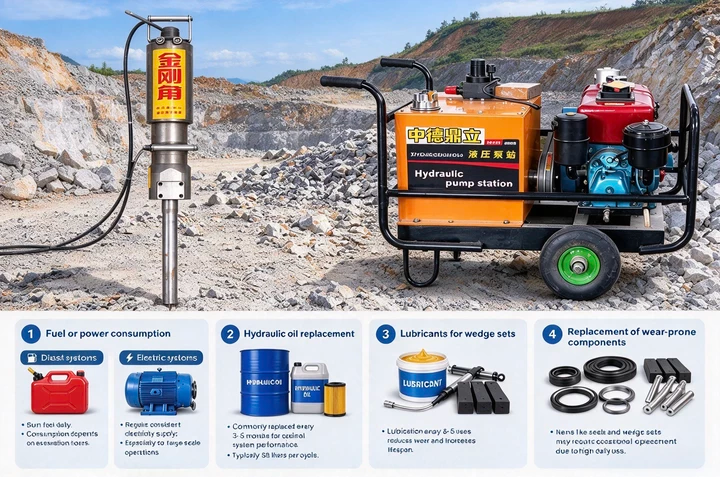
Key operational cost components:
-
Fuel or power consumption:
- Diesel systems burn fuel daily; consumption will depend on excavation hours.
- Electric systems require consistent electricity supply, especially for large-scale operations.
-
Hydraulic oil replacement:
- Commonly replaced every 3–5 months for optimal system performance (typically 58 liters per cycle).
-
Lubricants for wedge sets:
- Lubrication every 3–5 uses reduces wear and increases lifespan.
-
Replacement of wear-prone components:
- Items like seals and wedge sets may require occasional replacement due to high daily use.
How does maintenance impact the using cost?
Regular maintenance is essential for keeping operating costs low and avoiding expensive repairs or replacements.
Lubricating wedge sets every 3–5 uses and adhering to pump station maintenance schedules are practical ways to ensure consistent functionality while lowering the long-term using cost. Neglected maintenance often results in premature wear of consumables, risking downtime.
Cost-effective maintenance practices:
- Daily equipment inspection: Monitor wedge wear and hydraulic connections for leaks.
- Timely component replacement: Replace seals or wedges at early signs of wear instead of waiting for failure.
- Quality consumables: Invest in high-grade hydraulic oil and lubricants to prevent costly inefficiencies.
Prioritize maintenance as a minor but impactful cost for extending equipment lifespan and ensuring predictable operational budgets.
How to choose between diesel and electric systems?
Diesel and electric pump stations come with distinct cost implications that suit different project requirements.
Diesel systems excel in mobility and off-grid applications but incur fuel costs, while electric systems provide cheaper sustained running costs but require stable electricity sources. Evaluating project location, excavation scope, and power availability will help determine the most suitable option.
Comparing diesel and electric operating costs:
| Feature | Diesel Pump Station | Electric Pump Station |
|---|---|---|
| Mobility | High | Limited |
| Operating costs | Moderate (diesel fuel) | Lower (electric power) |
| Environmental concerns | Higher emissions | Cleaner operation |
| Maintenance frequency | Similar | Similar |
Ultimately, reliable electricity availability may tilt the cost-benefit balance toward electric systems, while remote or rugged projects often justify diesel options.
Frequently Asked Questions
How much hydraulic oil does a splitter machine require?
Typically, splitter machines require 58 liters of hydraulic oil per replacement, depending on system configuration. Replacements are needed every 3–5 months based on usage intensity.
Are diesel systems more expensive than electric systems?
Diesel systems have higher recurring fuel costs but offer unmatched mobility in remote mining or off-grid construction sites. Electric systems are cheaper to operate long-term, provided electricity is readily available.
How can I reduce long-term operating costs?
To reduce costs, focus on routine maintenance (lubricating wedge sets, hydraulic oil replacements) and invest in high-quality consumables to extend equipment lifespan. Proper project planning also prevents overspending on excess capacity.
Conclusion
The using cost of a splitter machine balances upfront investment with operational expenses like fuel, electricity, hydraulic oil, and maintenance. Diesel and electric systems offer distinct pros and cons depending on your project scope and location. By maintaining consumables and following upkeep best practices, you’ll minimize recurring costs while maximizing equipment performance.
Ready to explore splitter machines optimized for your project? Contact us today for tailored recommendations and procurement options.